The Best Time to Visit the Osa Peninsula: A Month-by-Month Guide
The best time to visit the Osa Peninsula? It will depend on what you want to see and do.
Jump to:
- Why is finding the right season that important?
- The best time to visit the osa peninsula: month by month
- When is the best time to visit the osa peninsula for wildlife?
- Getting around: how do the seasons affect travel on the osa peninsula?
- Where should you stay to make the most of the osa peninsula?
- FAQ’s
Forget about what you read all the time. There is not a single best time to visit the Osa Peninsula. Costa Rica’s most biodiverse region (think 2.5% of global biodiversity) has its charm all year round. But depending on what you’re looking for, the time you choose to come can make all the difference.
The Osa Peninsula weather is marked by two distinctive seasons: the dry season and the wet season, each with its advantages and drawbacks.
So rather than simply asking when, the better question might be: what do you want your time on the Osa to look like?
The answer may reshape the experience entirely.

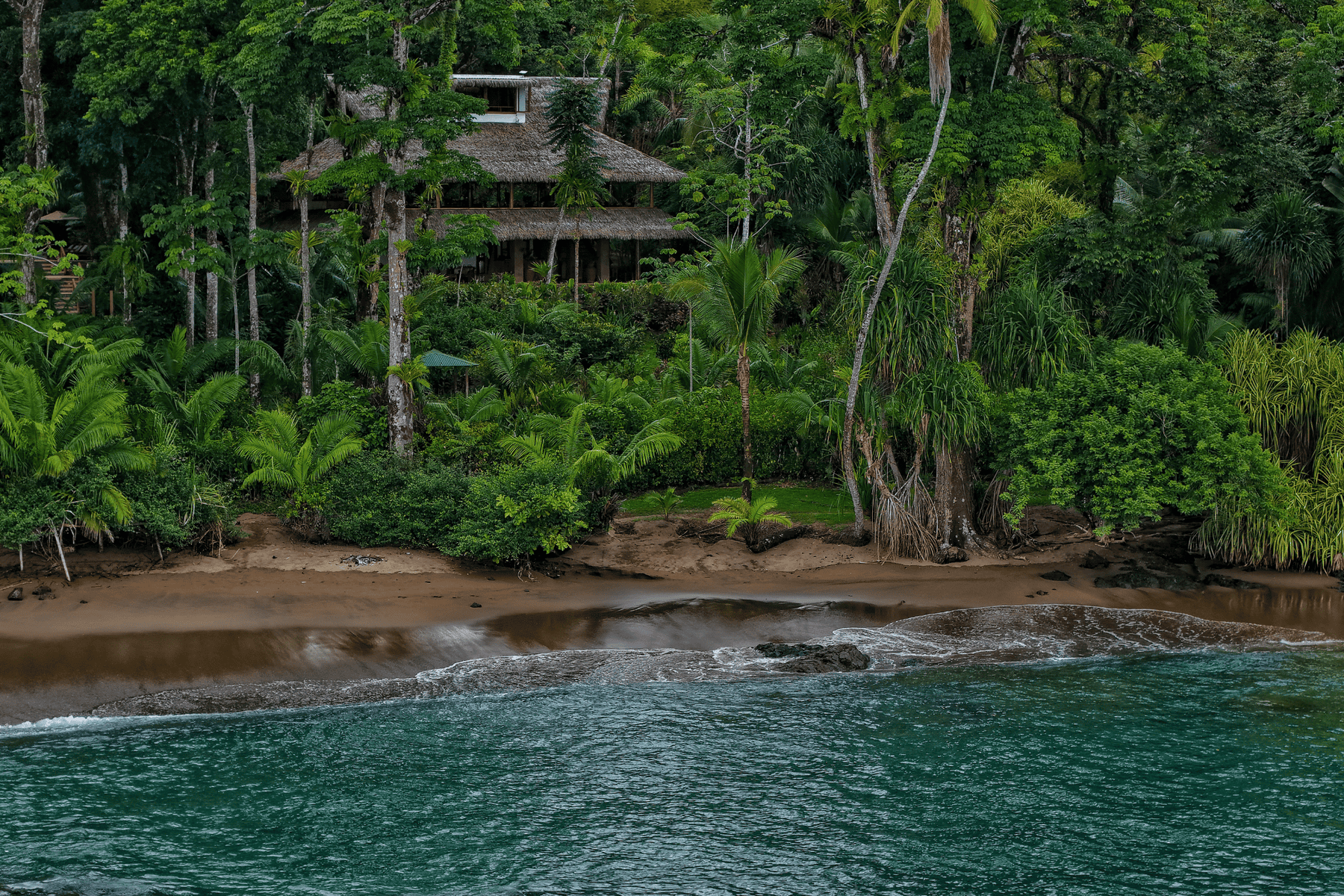
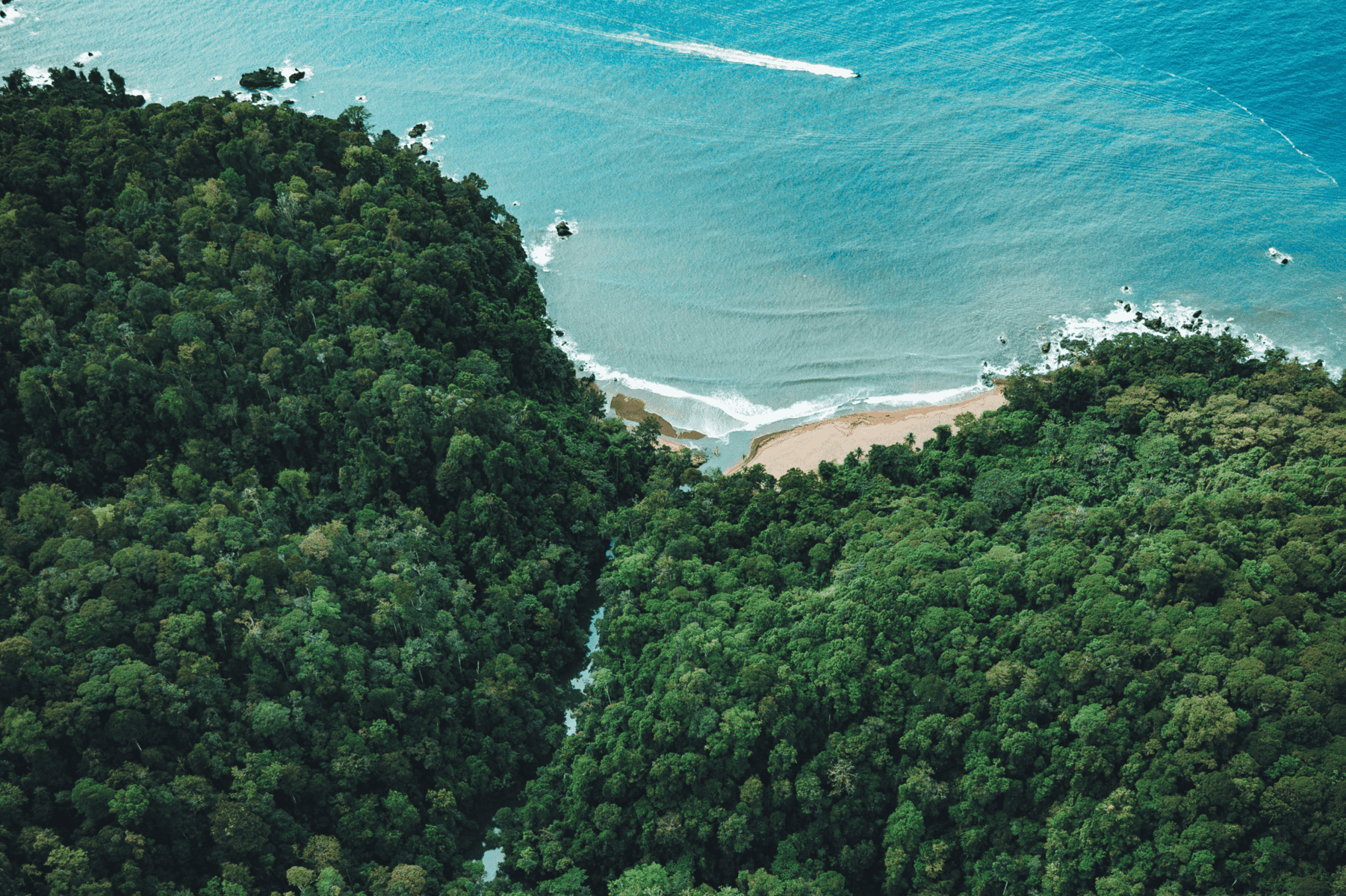
The Golfo Dulce borders the eastern edge of the Osa Peninsula and is a rare fjord-like tropical ecosystem. Its sheltered waters provide important nursery habitat for critically endangered scalloped hammerhead sharks, adding another layer to the Osa Peninsula's remarkable biodiversity.
WHY IS FINDING THE RIGHT SEASON THAT IMPORTANT?

The sunnier, the better, right? Well, not entirely.
While the dry season is often considered the “best” time to travel to Costa Rica, it won’t feel that way for everybody.
Depending on what you’re looking for, the season can influence so much more than simply the fact you’ll need a rain jacket. It can shape nearly every aspect of your experience, so the decision shouldn’t be made simply on hearsay.
Dry Season: December to April
During the Osa Peninsula dry season, rainfall decreases, trails tend to be easier to navigate, and sunnier days create favorable conditions for hiking, beach time, and underwater activities. For anyone hoping to fit plenty of outdoor activities into their stay, these months offer a certain degree of predictability. But this is still one of Costa Rica’s most humid regions, and even the dry season can bring the occasional rain.
Also, being peak season, accommodation rates tend to be on the higher side, and popular sites like Corcovado National Park are busier. Booking 1 to 2 months ahead is strongly recommended.
- Average temperature range: 81–90°F (27–32°C).
- Accommodation: Higher demand and generally higher rates; booking ahead is recommended.
Best for: First-time visitors, families, hikers, beach and ocean goers, as well as travelers who prioritize easier logistics and more predictable weather.
April sits at the edge of the two main seasons, with rain gradually beginning to return.
Green Season: May to November
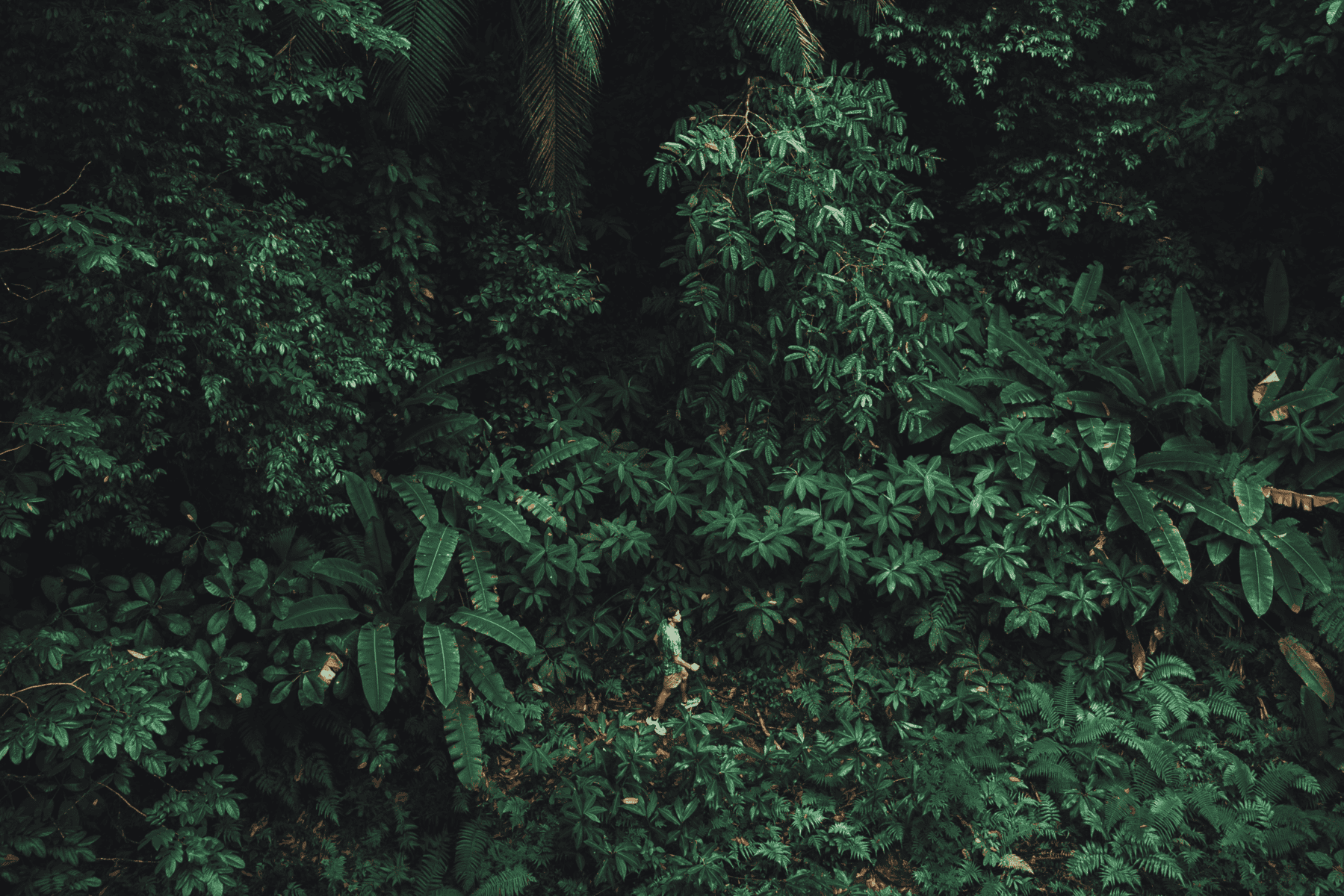
The Osa Peninsula green season is often misunderstood, and regularly underestimated. Assuming it simply rains on end misses much of what makes these months so special. They reveal a very different side of the peninsula, one shaped as much by what the rain brings to life as by the rain itself.
An important point to make is that rainfall does not remain constant throughout the season. The Osa Peninsula rainy season is much more nuanced than seven uninterrupted months of heavy rain, with October and November being the wettest. The heat is also more manageable.
- Average temperature range: 79–86°F (26–30°C).
- Accommodation: Fewer visitors generally mean lower rates.
Best for: Nature lovers, photographers, wildlife-focused travelers, repeat visitors, and anyone comfortable trading predictability for a greener, quieter Osa.
Note that some lodges or tours may reduce or close operations during that period.
THE BEST TIME TO VISIT THE OSA PENINSULA: MONTH BY MONTH
The Osa Peninsula changes throughout the year, so choosing the right month is less about finding perfect weather and more about deciding which conditions and experiences matter the most to you.
This month-by-month guide might help you identify the best time to visit the Osa Peninsula according to your priorities.
January - Dry Weather and Easy Exploring
Best for: First-time visitors, hiking, beach days and outdoor activities.
January falls firmly within the drier part of the year. With generally lower rainfall, it is one of the easier months for exploring trails, spending time on the beach and fitting several outdoor activities into a stay. It is also part of Costa Rica’s high season, so accommodations and popular excursions are to be planned well ahead.
Worth knowing: Scarlet macaws live on the Osa year-round, but their documented nesting season in the Osa runs roughly from December to May.
February - Extremely Hot Temperatures Ahead
Best for: Hiking, snorkeling, diving and days on the water.
The dry season continues. Beach and aquatic activities such as snorkeling and diving at Caño island are among the highlights of this time of year. Lower runoff during the dry season can favor clearer underwater conditions.
But beware, temperatures can get pretty hot during the day.
March - Sunny Days on Repeat
Best for: All types of outdoor adventures.
March is the final month before the beginning of the seasonal transition. For travelers whose priority is maximizing their chances of dry conditions, this is another strong option.
Worth knowing: Costa Rica’s official tourism information identifies March as the driest and hottest month on the Pacific side.
April - The Seasons Begin to Shift
Best for: Travelers who don’t mind a balance between dry and wet conditions.
After the three previous months, rainfall slowly returns. Semana Santa, which sits between late March and April depending on the year, is worth factoring into your planning.
May - Bioluminescent displays
Best for: Lush landscapes, lighter crowds and better value.
May officially marks the beginning of the wetter part of the year. The rainforest takes on the intense green that gives the season its name. If you’re lucky, at night you might experience bioluminescent displays in the Golfo Dulce waters.
Visitor numbers generally ease compared with peak months, and this time of year can bring lower rates.
June - The Green Continues to Gain Ground
Best for: Rainforest experiences and waterfall sightings for travelers comfortable with tropical rain.
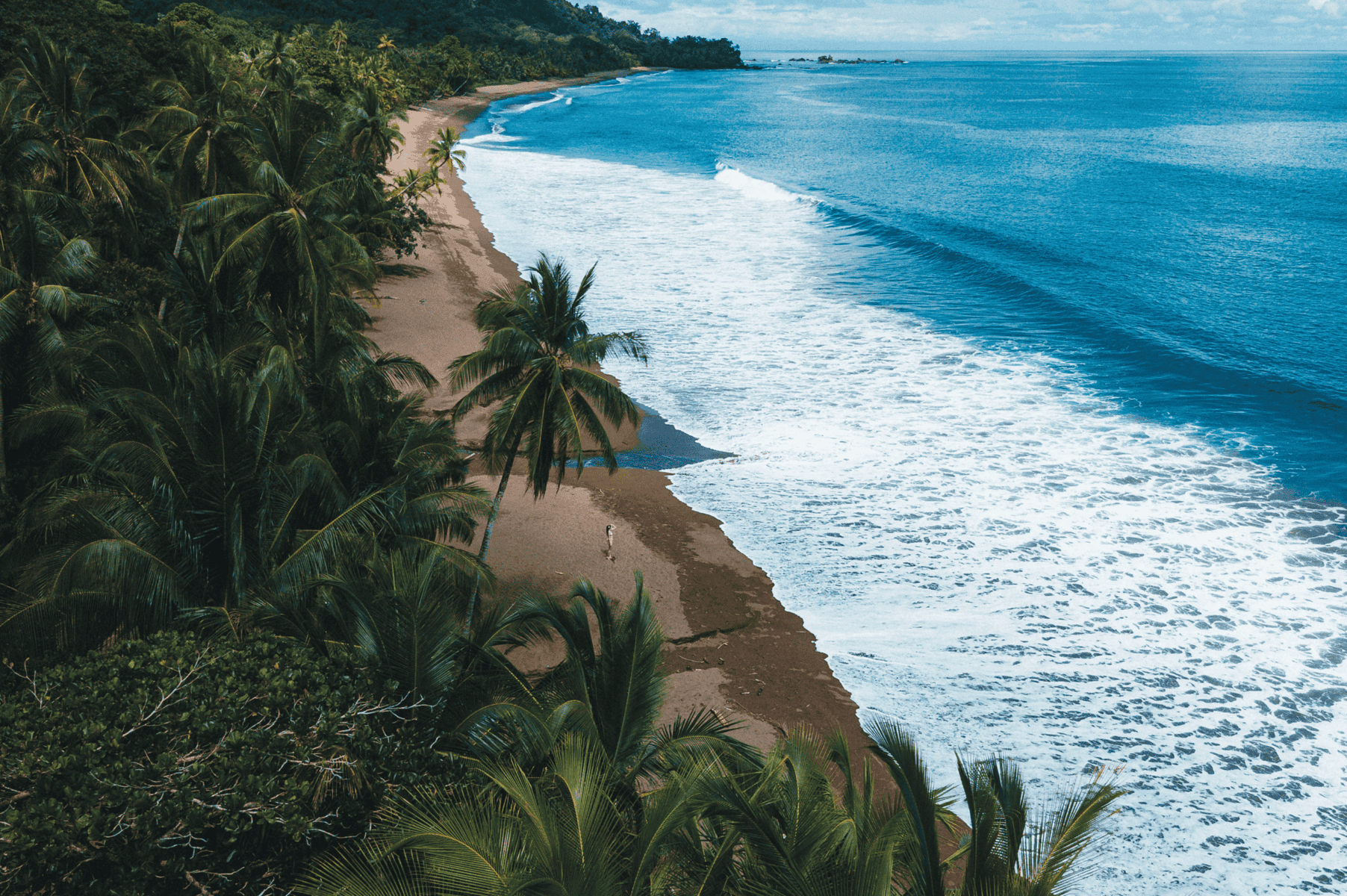
By June, rain is more frequent on the Osa Peninsula. Vegetation is lush and wetter conditions become part of the experience rather than an occasional interruption. Hiking, turtle nesting and birdwatching are among the experiences to consider during the South Pacific green season.
July - The Rains May Ease
Best for: European travelers.
July is when many Europeans start their summer holiday break, and it’s also a time when the Osa can experience a relative decrease in rainfall known as the veranillo, or “little summer.”
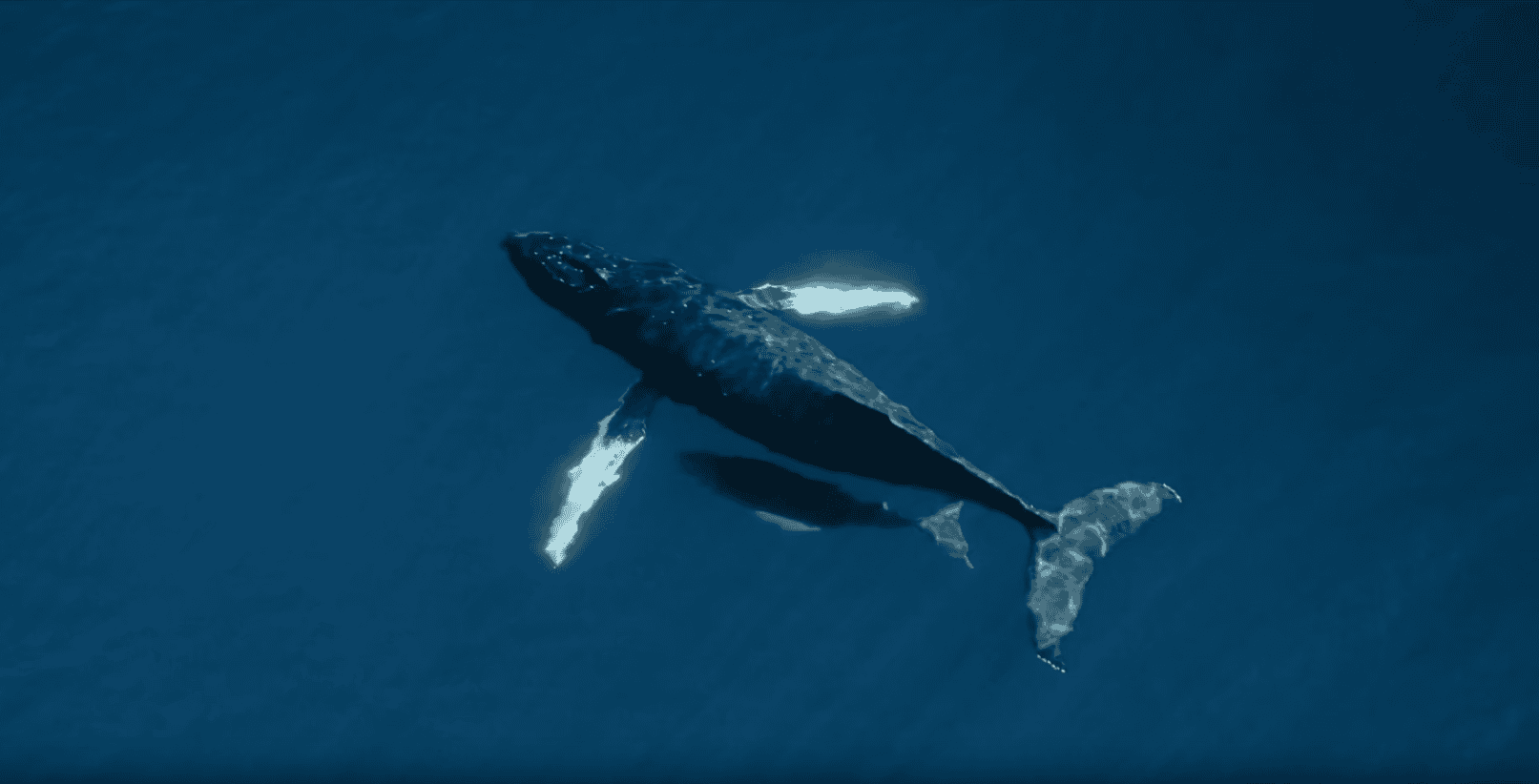
The end of the month also marks the timid arrival of Southern Hemisphere humpback whales in Costa Rica’s Pacific waters.
August - Green, Wild, Whale
Best for: Whale watching
The veranillo continues, the whales become more numerous, and the quieter Osa makes the experience particularly rewarding.
September - Peak Whale Season Meets Costa Rican Independence Day
Best for: Active whale watching and travelers comfortable with wetter conditions.
September is an important month for humpback whale activity in the South Pacific, with good opportunities to encounter them around the Osa Peninsula. Rain becomes increasingly persistent, especially in the afternoon.
Waterfalls reach maximum power (optimal flow for Rio Esquinas white-water rafting adventures); while cultural celebrations including Costa Rican Independence Day (Día de la Independencia – September 15) occur.

October - The Osa at Its Wettest
Best for: Experienced tropical travelers and those comfortable building flexibility into their plans.
October is generally one of the wettest months on the Osa Peninsula, alongside November. Heavy rainfall can influence trails, transportation and outdoor plans, so flexibility becomes very important.
Worth knowing: The Sirena sector of Corcovado National Park closes to visitors in October.
November - Between Green and Dry
Best for: Repeat travelers.
November sits at the other end of the seasonal transition. Conditions can still be extremely wet during the first half of the month, while gradually moving to dry by the end of it. Surf swells return, suitable for intermediate surfers.
Lower-season rates are sometimes still available where hotels and lodges remain open.
December - The Dry Season Returns
Best for: Holiday travel.
December marks the return of the dry season. Conditions improve, and visitor numbers rise as Costa Rica enters its busy holiday period.
This month also brings another interesting wildlife development: humpback whales migrating from the North Pacific begin reaching Costa Rican waters in late December.
Worth knowing: Costa Rica receives humpback whales from both hemispheres, which is quite unusual.
WHEN IS THE BEST TIME TO VISIT THE OSA PENINSULA FOR WILDLIFE?
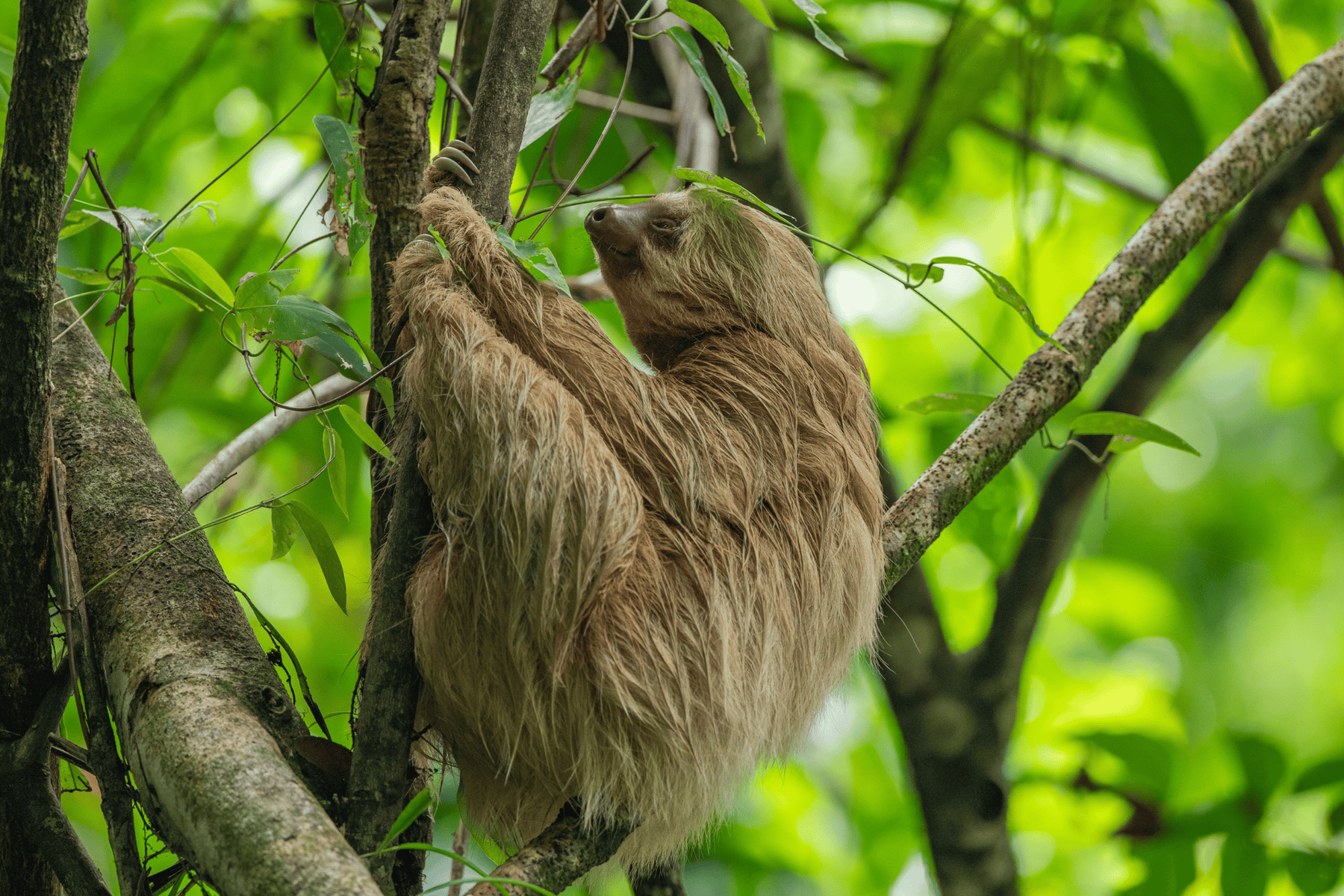
Wildlife is one of the biggest reasons to visit the Osa Peninsula.
But while some species can be encountered throughout the year, others follow distinct seasonal patterns. If seeing a particular animal is high on your list, timing your visit accordingly can make a real difference; no matter the weather.
Dry Season (December-April): Focus on mammals and tropical birds as wildlife congregates around water sources.
Peak Marine Season (July-October): Optimal whale watching and turtle nesting with overlapping marine and terrestrial activity.
Wet Season Biodiversity (May-November): Amphibians, reptiles, and forest wildlife reach maximum diversity.
Whale Watching
Whales migrating from the Southern Hemisphere arrive from around July through September, while Northern Hemisphere whales begin appearing toward the end of the year and can be seen until the early months of the following one.
For travelers wondering about the best time to visit the Osa Peninsula for whale watching, the Southern Hemisphere migration offers the most established seasonal window, with September falling right in the heart of it.
Sea Turtles
Four sea turtle species can be found around the Osa Peninsula. Each follows a different seasonal rhythm, and knowing which to look for can change what the timing of your visit means.
| Species | Nesting | Peak Activity | Notes |
|---|---|---|---|
| Olive Ridley | June – December | August – October | Most abundant nester on the Osa; beaches near Drake Bay and Carate. |
| Green Turtle | June – October | July – August | Less common; mainly remote beaches along the peninsula. |
| Hawksbill | Sporadic / dry season | Variable | Rare; nesting on the Pacific side is infrequently documented. |
| Leatherback | October – March | November – January | Largest of the four; most endangered; occasionally seen on Osa beaches. |
Olive Ridleys are by far the most abundant nesters in the area. Nesting activity generally builds from August through October. Depending on the beach and timing, hatchlings can also be observed making their way to the ocean roughly six to eight weeks after nesting.
For the rarest species (Hawksbill and Leatherback) encounters on the Osa are not guaranteed. But they do nest here, which makes an encounter all the more remarkable when it happens.
Birdwatching
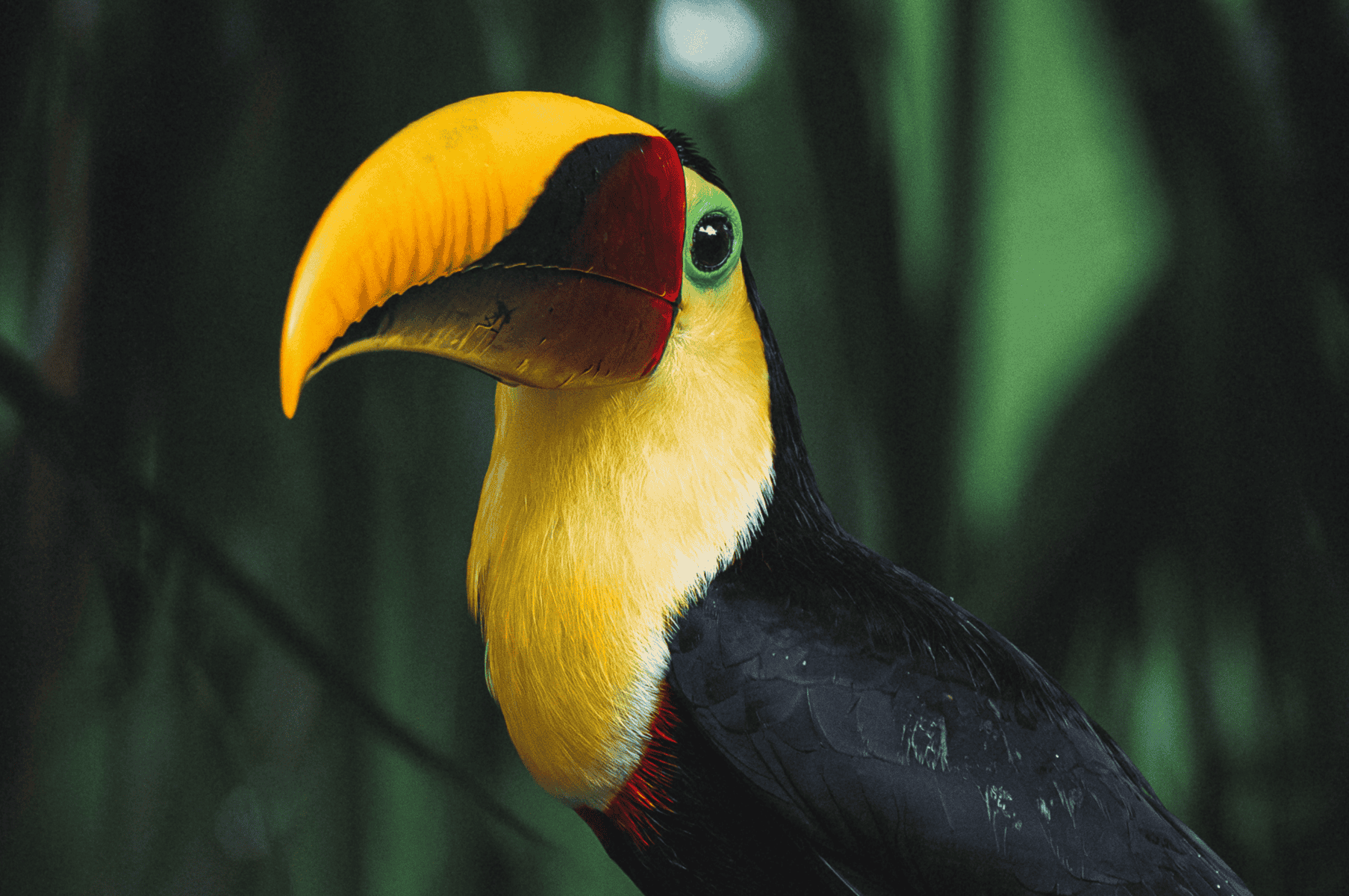
Birdwatching is a year-round experience on the Osa Peninsula, with more than 400 bird species recorded in the region. And while scarlet macaws and toucans may be the headline names, the list goes much further than that.
Among Osa’s standouts are the:
- Black-cheeked Ant-Tanager, found almost exclusively on the Osa and Golfo Dulce
- Baird’s Trogon, cousin of the quetzal, vivid red belly and yellow bill, found in humid Pacific lowland forest.
- Fiery-billed Aracaris, a toucan, near-endemic to SW Costa Rica. Unmistakable fiery orange-red upper bill.
Scarlet macaws are here year-round, with nesting documented roughly from December to May. Beach almond trees are among their key food sources.
The season still changes the show. During the drier months, courtship and nesting activity picks up for many resident birds. By March and April, migrants such as Scarlet Tanagers and Wood Thrushes are beginning their journey north.
Later in the green season, North American migrants start arriving back on the peninsula, joining the residents already here.
The Year-Round Residents

Many of the animals people associate with the Osa Peninsula are here year-round. That includes all four of Costa Rica’s monkey species: howler, spider, squirrel and white-faced capuchin monkeys. Sloths, peccaries, coatis, agoutis, anteaters and Baird’s tapirs are also part of the permanent cast.
Look closer and the list keeps growing.
The Osa is home to reptiles such as boa constrictors, fer-de-lance and eyelash vipers, as well as amphibians including red-eyed tree frogs and poison dart frogs. For these residents, choosing the right habitat and time of day can matter more than choosing a particular month. But remember, nothing in a wild rainforest follows a guaranteed schedule.
Jaguars do inhabit the Osa Peninsula, and conservation organizations, like Las Oncas, record their activity in the region. But although they are here, they are extremely elusive. The same goes for other wild cats such as pumas and ocelots: presence does not mean a sighting is likely.
GETTING AROUND: HOW DO THE SEASONS AFFECT TRAVEL ON THE OSA PENINSULA?
Flights
Taking a flight through Sansa Airlines can considerably shorten the journey from San José, with regional flights serving Drake and Puerto Jiménez, the two main villages of the Osa Peninsula.
Note that weather can affect these small-aircraft services, particularly during periods of heavy rain. If you are traveling during the green season, it’s worth leaving some flexibility in your itinerary, especially when connecting with an international flight.
Road Travel
Getting around the Osa Peninsula by road can be a very different experience depending on the season.
During the drier months, roads are generally easier to navigate and travel times a bit more predictable. Once the rain returns, some roads can flood or become muddier, making driving a challenge.
Don't let the Osa Peninsula's size fool you!
Distances may look short on a map, but limited roads, unpaved stretches and slow-moving traffic can make journeys longer than expected.
A 4×4 is also a good choice for exploring the peninsula, even during the dry season. Flying into Drake or Puerto Jiménez can help avoid difficult road conditions.
Boat Transfers
Boats are essential for getting around certain areas of the Peninsula; like Caño Island, Corcovado National Park, and… eco lodges such as Copa de Arbol!
Sea conditions can change with the weather. Boat travel doesn’t have to stop when the rains arrive; if anything, experienced operators become all the more essential.
WHERE SHOULD YOU STAY TO MAKE THE MOST OF THE OSA PENINSULA?

On the Osa, where you stay is half the decision. Large, wild and genuinely remote, the peninsula rewards those who choose their base intentionally.
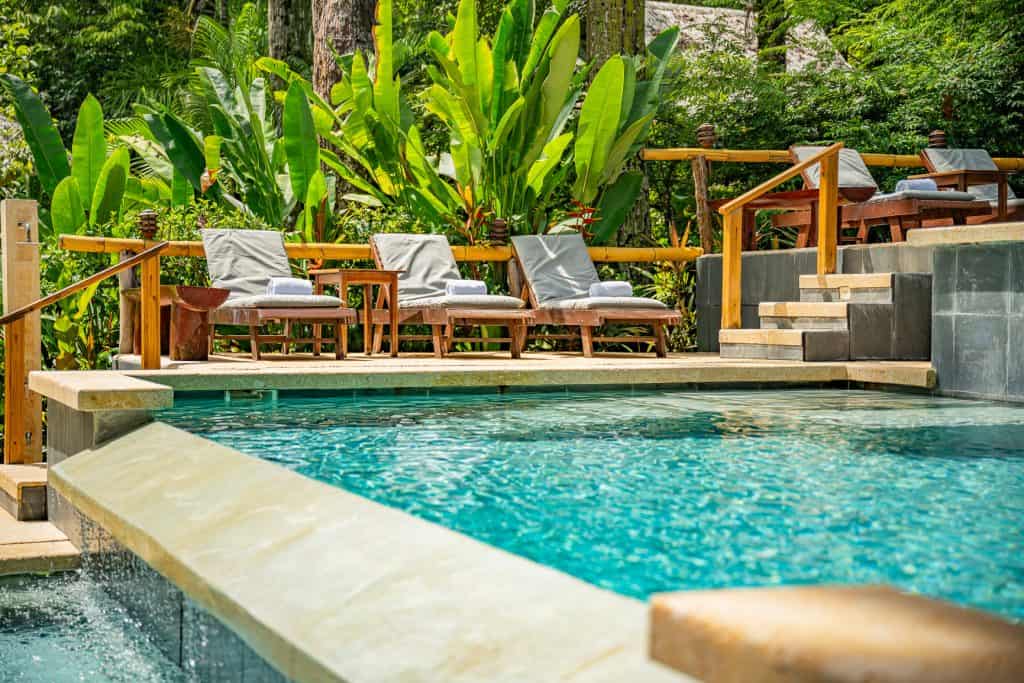
Copa de Arbol sits near Drake Bay, between the rainforest and the Pacific Ocean, accessible only by boat. Once there, guests get something increasingly rare: the feeling of having a private national park entirely to themselves. Sloths, howler and spider monkeys, scarlet macaws and toucans will be the backdrop of your stay.
Add to that the proximity to Corcovado National Park and Caño Island, and Copa de Arbol makes a compelling case for itself as a base.
Just like the Osa, the experience here changes naturally with the seasons. Drier months lend themselves to long days exploring the surroundings, while the green season transforms the rainforest and creates a memorable sense of seclusion and retreat, almost as if nature was closing in around you, in the best possible way.
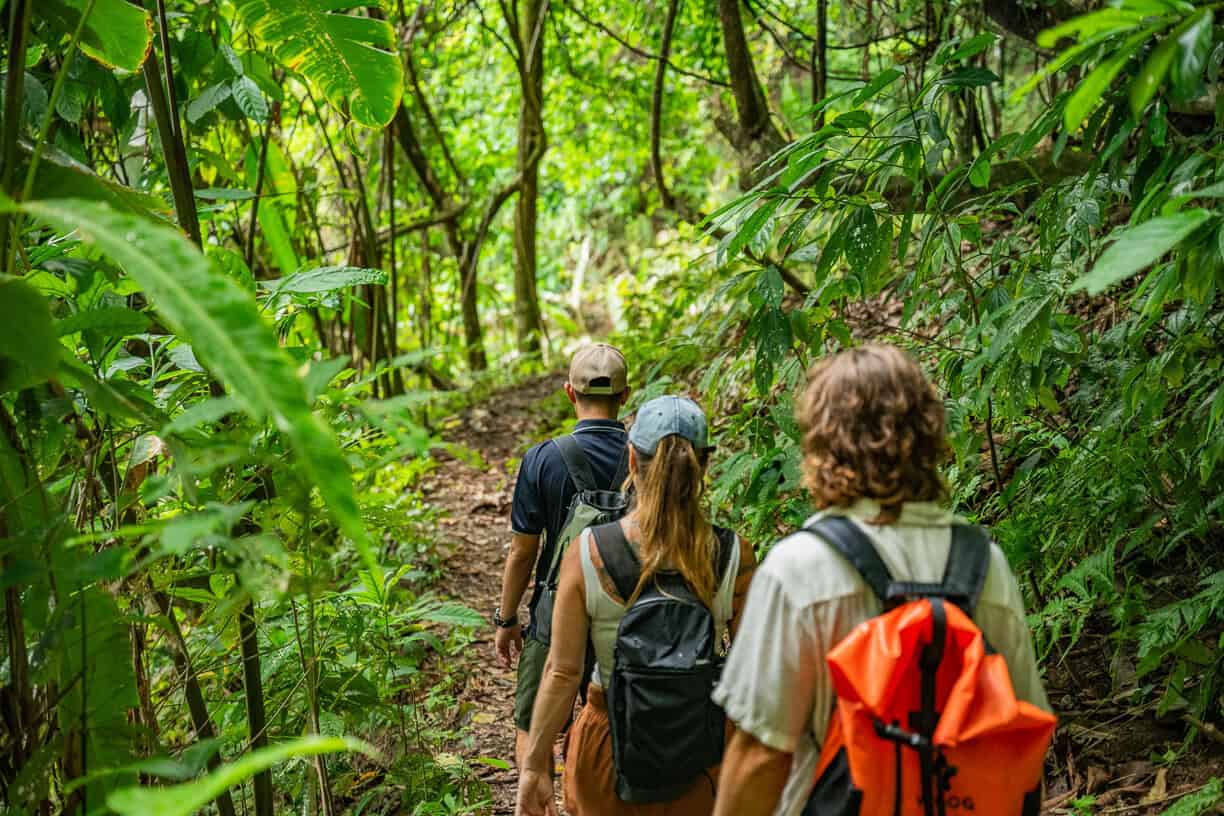
Ultimately there is not a single best time to visit the Osa Peninsula. It depends entirely on what you’re looking for. If easier trail conditions, sunnier days and plenty of time outdoors are your priorities, the Osa Peninsula in the dry season may be the natural choice.
If you would rather experience the rainforest at its greenest, encounter fewer visitors and travel during one of the region’s most interesting wildlife periods, the green season has plenty to offer.
And for others, the best time sits somewhere in between, during the transitional months.
Recent Posts
Categories
Submit Your Email For Discounts
Join our mailing list and receive special offers and discounted vacation packages directly to your email.
By clicking “Submit”, you are signing up to recieving emails from us. You can unsubscribe whenever you like.
FAQ's
There is no single best month for everyone. January through March generally offer some of the driest conditions, making them a good choice for travelers prioritizing hiking and outdoor activities. For wildlife experiences such as humpback whale watching, the green season, particularly from July through October, can be especially rewarding.
Yes. The green season brings more rain, but also lush rainforest, fewer visitors and seasonal wildlife experiences. October and November are generally the wettest months, so travelers visiting during this period should allow more flexibility in their plans.
For most travelers, several days are needed to experience the peninsula without rushing between activities. How long you should stay ultimately depends on what you want to include, such as Corcovado National Park, Caño Island, wildlife watching, beach time or simply time to enjoy the rainforest and local life.
Wildlife is active year-round, but generally speaking:
- Dry season = easier spotting on trails
- Green season = more biodiversity, best for amphibians and reptiles
- July–October = humpback whales from the Southern hemisphere migrate
- August–November = sea turtle nesting
Yes. The dry season is also the peak tourist season, especially around Christmas, New Year’s, and Easter. Booking well in advance is essential. The green season offers lower rates and more availability.